

Food, whether it’s fast or slow, is one of the areas where we spend a lot of our money, so it stands to reason that this space is busy…in some instances frantic, hence the FMCG label. We have worked for both large and small brands within this space. Helping existing brands maintain their competitive advantage, running tactical campaigns, updating brand values and launching brand new products.
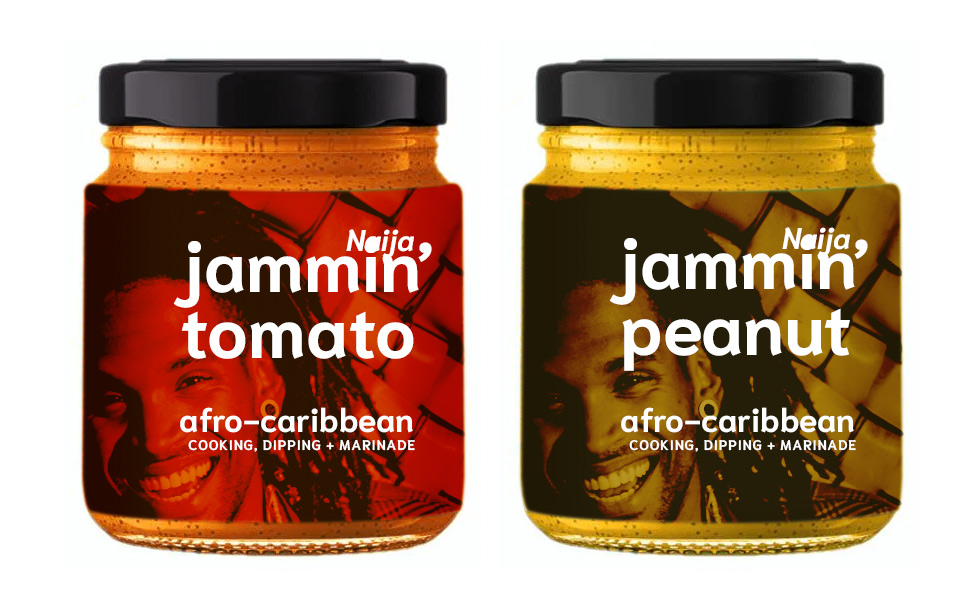
We’ve also been on the other side of the coin, working with small innovative suppliers, raising their game, allowing them to box above their weight, working hand-in-hand with founders from the ground up, creating a buzz.
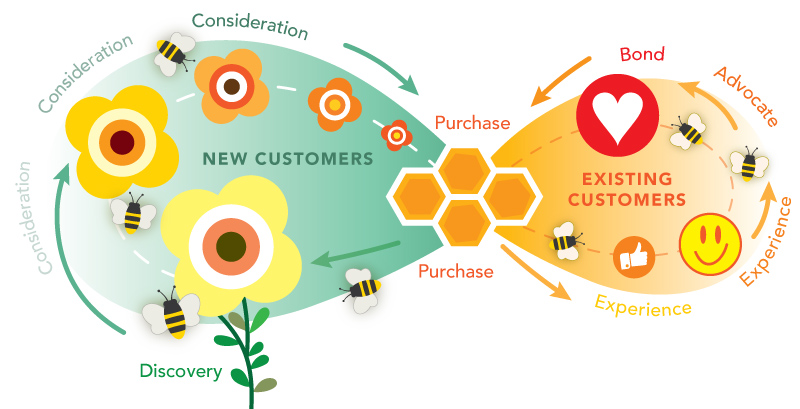
The Customer Journey is crucial for every brand and within food and beverage retail it’s essential to understand these dynamics. The journey is made up of many (often) invisible touch points that shape peoples brand preferences and that in turn affects their purchase decisions.
Understanding the journey, from the customers perspective is really, really important – from discovery to consideration, the research (or tasting) to post-purchase loyalty – this series of points are the opportunities to connect with people, and they are essential for building strong, sustainable brands.

In this blog, we will explore the Top 10 touch points of the customer journey for FMCG food and beverage retail, outlining the steps people take when selecting a brand and demonstrating how we have helped clients understand, navigate and connect within this space.
Top 10 considerations for food and beverage retail and FMCG brand selection
- Quality (and Safety)
At the heart of every FMCG food retail brand selection lies this consideration, in this instance we are selecting food and drink items that are going into our bodies, therefore product quality and the associated safety is first and foremost in every customers mind.
People prioritize brands that consistently deliver high-quality, whether that’s food or anything else. The positive food experiences establish trust (central to every brand/business). Once trust has been established repeat purchases are just easier, because a lot of the ground work has been done, the bond has been created. Now it has to be nurtured.

- Brand Reputation
Customers seek out brands with a good reputation and strong track record, businesses that have maintained and nurtured the trust placed in them on first sight or touch point. Reputation relies heavily on word-of-mouth, this is itself influenced by online reviews and social media. People then (often automatically) use this information to decide a brand’s trustworthiness. Deciding whether this is a business that they are comfortable buying from and being associated with.
The journey then circles back to the first point quality, brands that have built a strong reputation for quality (and authenticity). These businesses have a distinct advantage in connecting with people and gaining their custom.
- Price and Value for Money
Price sensitivity is a key factor in the FMCG food retail. Too cheap and people won’t believe in the quality and safety, a trust bond will be hard to establish. Too expensive and the person will look elsewhere for a cheaper alternative, though there are products that this doesn’t apply to. They are often called ‘luxury’, which immediately elevates the perceived quality and associated expectations.
Most people are looking to find a balance between price and (perceived) value for money. Offering competitive pricing and showcasing the benefits of the product compared to the cost can influence customer decisions. This is especially true within FMCG, where supermarket promotions can introduce people to new brands, upsell and establish new values, all through promotional price activity.
- Packaging (and Presentation)
Traditionally packaging has guided people to products. The on-shelf, in-person experience connects with us, it’s tactile, immersive and interactive. Technology has enabled the packaging to do much more, it has also opened new doors to discovering brands and their products as we now have the option to purchase without seeing or touching the physical item.
Though many of these messages are now accessed and interacted with through various digital platforms, physical packaging is still an essential part of the food and beverage Customer Journey.
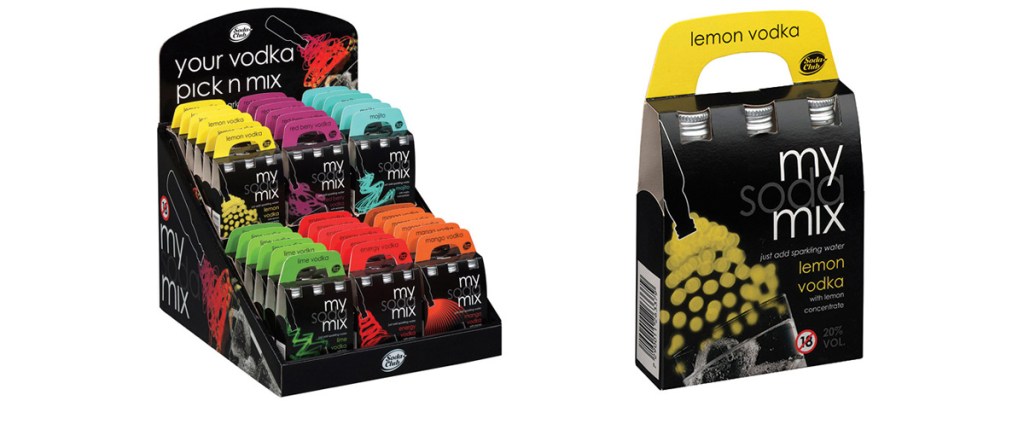
Effective packaging opens many doors, both on and off line. Another significant factor for the physical presence in store is the way the product is displayed. The way the packaged product is presented to you, the potential customer. The in-store display will significantly influence and inform the customer as well.
Packaging is all about getting eyes on the product. It has been described as a mobile ad, the brand values on a box etc. At the end of the day, it’s about attraction, creating something people want to pick up. Then once they have it in their hands, making sure that it is informative conveying the right information and values, in the right order.
What is it? Why do I need it? What makes it ‘better’ than the rest?
Established brands are recognised by colour or shape alone, all the other parts of the message have been distilled down during the Customer Journey, until just the colour, or shape, informs people about who and what this product is. Over time this becomes instinctive, building increased levels of trust, advocacy and love. A love that sees people happy to be seen with certain brands about their person, and unhappy to have other brands anywhere near them.

- Brand Story (Values)
Brands are all about story telling. People, particularly within the FMCG food and beverage retail sector, are drawn to brands with compelling stories. These stories then by default establish the brands values in the eyes of the purchaser. It’s no coincidence that these resonate with their own experiences and beliefs.
Brands that communicate a strong sense of purpose and social responsibility will engage people on a deeper level, it’s quite possible for a brand to establish love and advocacy for it’s story alone, with little or no experience of the actual product. Such is the power of purpose and social responsibility.
- Personalization and Relevance
This is a fancy way to say, “We hear you”. By tailoring a product and it’s marketing messages to individuals preferences the time spent ‘exploring’ the brand is significantly reduced. This has become an established movement within FMCG retail. Established brands will personalize their products – create limited editions, associations with other brands/groups in order to engage customers with content that is deemed relevant to that person or group, building stronger connections, accelerating the Customer Journey and creating deeper brand loyalty.

- Convenience and Accessibility
Convenience is paramount. Brands that make it easy for customers to find, purchase and use their products will establish brand loyalty quicker. This is real life accessibility, which is more complex then many people believe. First we have accessibility to the product, through various channels (and there’s never been more options), including the vast array of online platforms. Ensuring that the brand and product messages are accessible to customers from varying backgrounds – social, economic and disability is equally as important, being inclusive and demonstrating that clearly with your customers builds trust.
- Promotions and Incentives
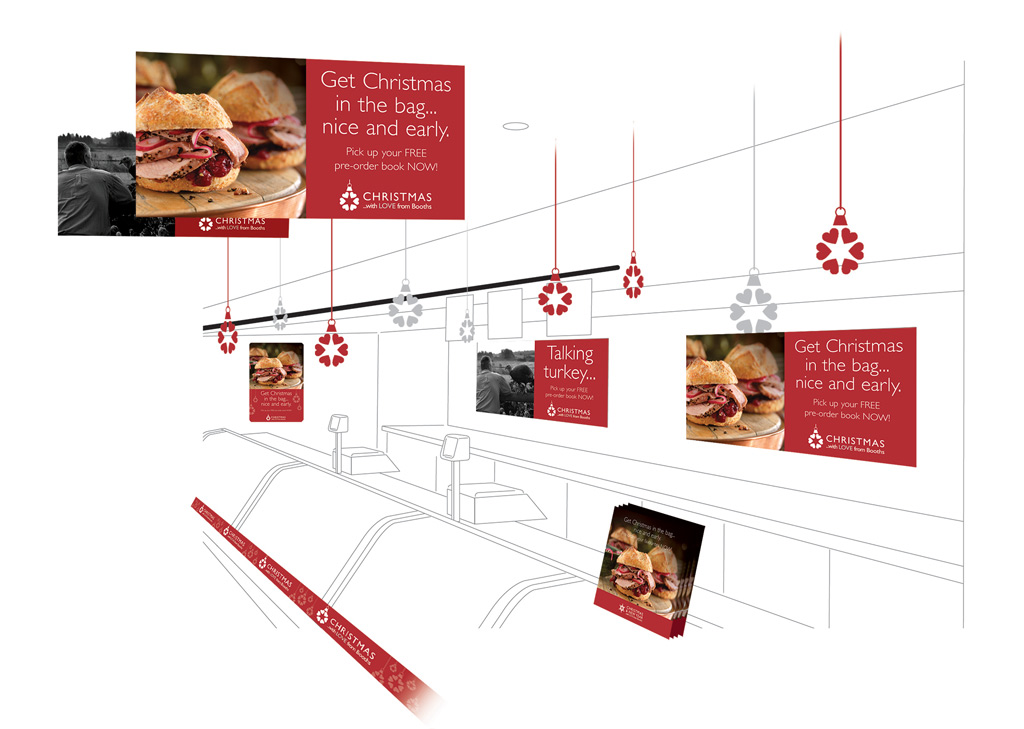
Promotional offers, discounts and loyalty programs influence consumers’ brand choices, how much influence they have depends on where your product is placed in the price value equation. Consumers who are on a budget are often enticed by special deals and incentives that add ‘value’ to their purchase and this can encourage a pattern of repeat buying, especially within FMCG.
- Social Proof and Influencers
Social media and influencer marketing have a significant impact on FMCG food retail brand selection. Customers are likely to be influenced by the opinions and experiences shared by influencers and peers on social platforms. This can be really positive, but by it’s very nature, it can be equally damaging when not managed correctly. - Post-Purchase Engagement
The customer journey does not have a start and finish, the point of purchase is one of a series of touch points that build the relationship. Brands that engage in post-purchase support – such as customer service and follow-up communications are more likely to cultivate trust, creating brand advocacy, bonding and love.

Insights from the Customer Journey within FMCG food and drink
The Customer Journey is a dynamic process, nothing stays still, it will forever evolve. Some evolutions are bigger and bolder, others are almost imperceptible to 99.9% of people. The Customer Journey involves a lot of stages and numerous touch points, from initial brand awareness to post-purchase bonding.
Understanding the aspects consumers take into account when selecting a food or beverage brand – including product quality, brand reputation, price, packaging, brand values, personalisation, convenience, promotions, social proof and post-purchase support – is essential for brands in this highly competitive market.
Optimizing brand strategies based on these considerations, allow FMCG food retail brands to build strong connections with their customers and secure a loyal and engaged consumer base.
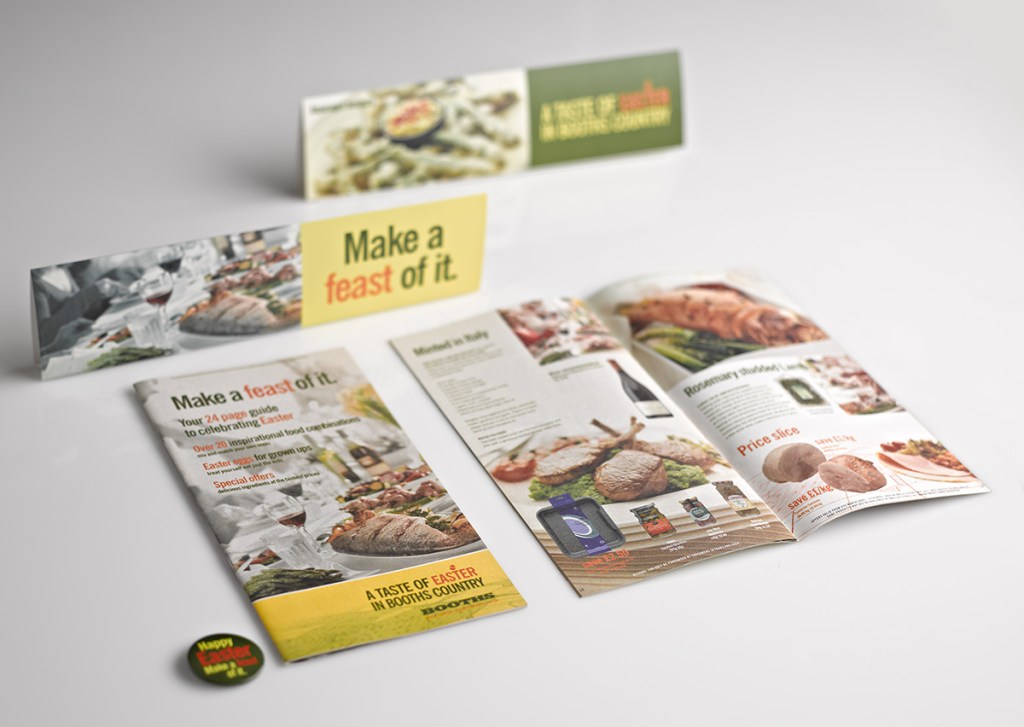
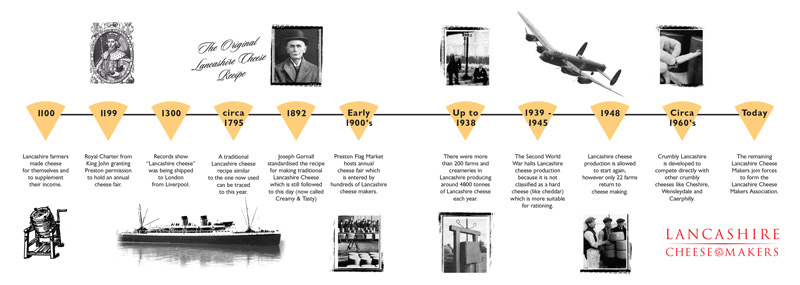
Here are some examples of projects we have delivered within the FMCG space.
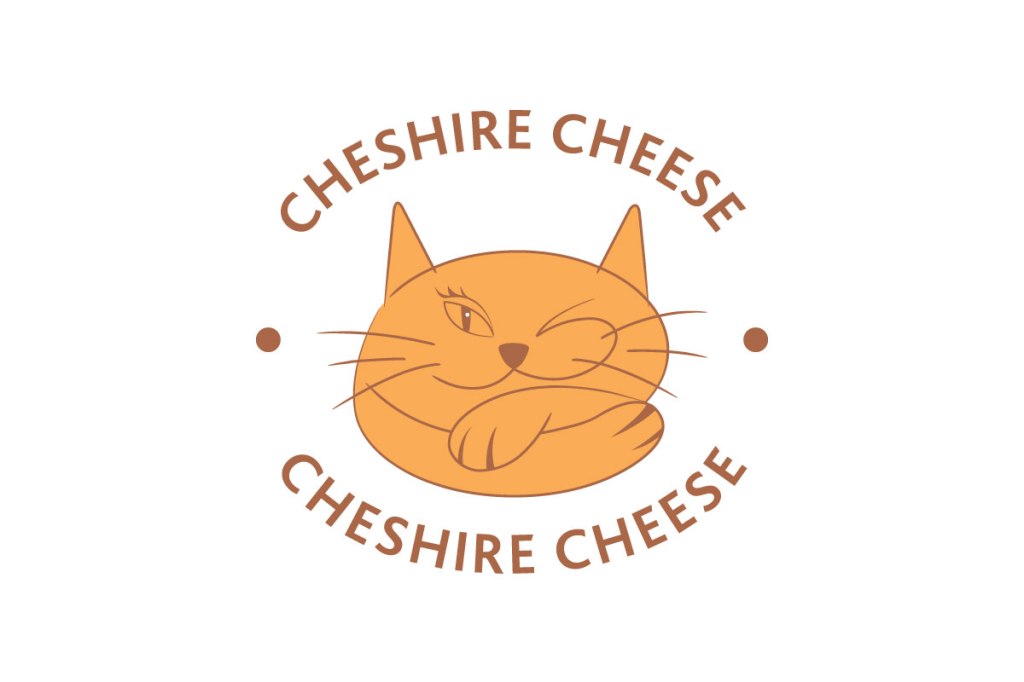
Cheshire Cheese – Creating a distinctive identity for the cheese within the chilled deli counters of quality retailers. This programme included extensive tastings, recipe suggestions and Food press/social PR.
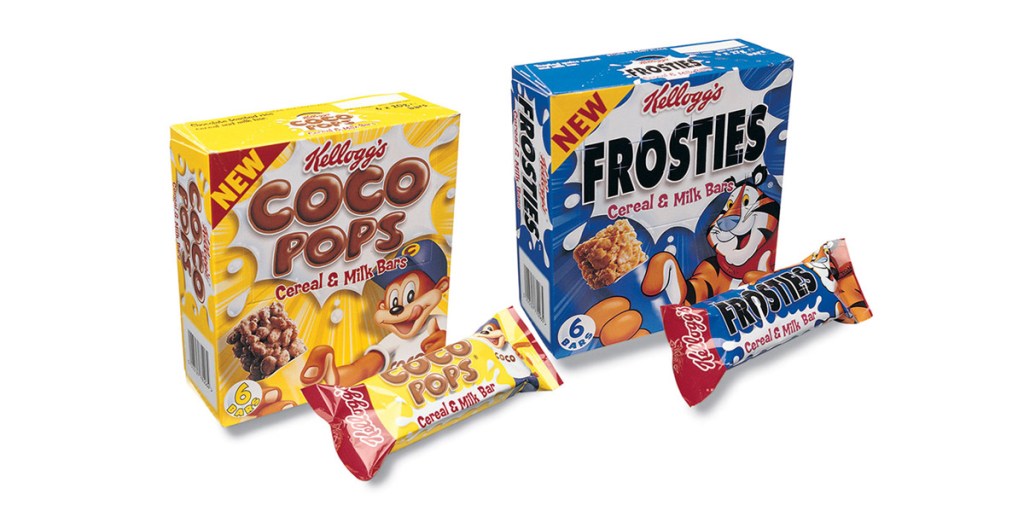
Kelloggs cereal bars – Working with the NPD team at Kelloggs to bring all the brand values from the main cereal boxes across into the cereal bars. We explored several shapes and opening mechanisms as well as potential ‘bulk merchandising’ opportunities.

Sodastream – Repositioning an out of touch business. Concentrating of the healthy aspects of drinking water and the natural elements of the products
Cumbrian Fellbred – Launching this farming co-operative, creating the brand identity and all associated in-store activities, support and point of sale materials.
 Busy as AB