
Chocolate makes your eyes pop-out their socolates
I went to watch Wonka last week, my kids were keen to go, and to be honest, as a child who grew up with the original Charlie and Chocolate Factory movie I was hoping for great things from the latest expression of the Roald Dahl classic. I was not disappointed and neither were the kids.
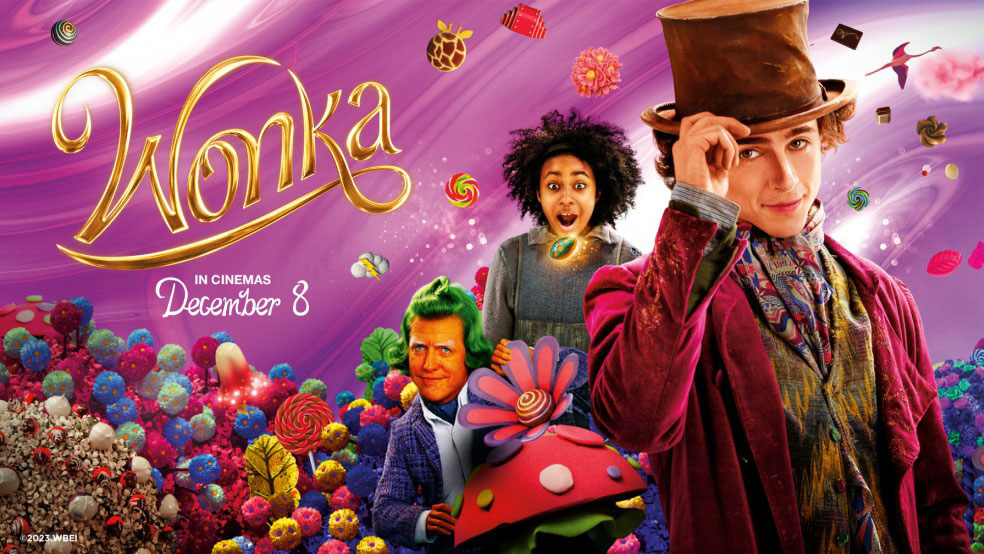
Choco-heaven
The film is a feast for the senses, visually rich, musically funny and charming with great writing that is brought to life by a fine selection of accomplished actors, with one or two notable new faces/voices in the form of Willy and Noodle. The cast bring this imaginary world, to life in the most wonderful ways. I thoroughly enjoyed it, and my kids have listened to the sound track so much that they are now pretty much world perfect on all of the songs.

Pure imagination
If you’ve not seen it, I recommend it, not least for it’s ability to transport you away from the doom and gloom of winter here in the UK, it’s a wonderful journey that celebrates creativity and life’s rich tapestry that surrounds it.
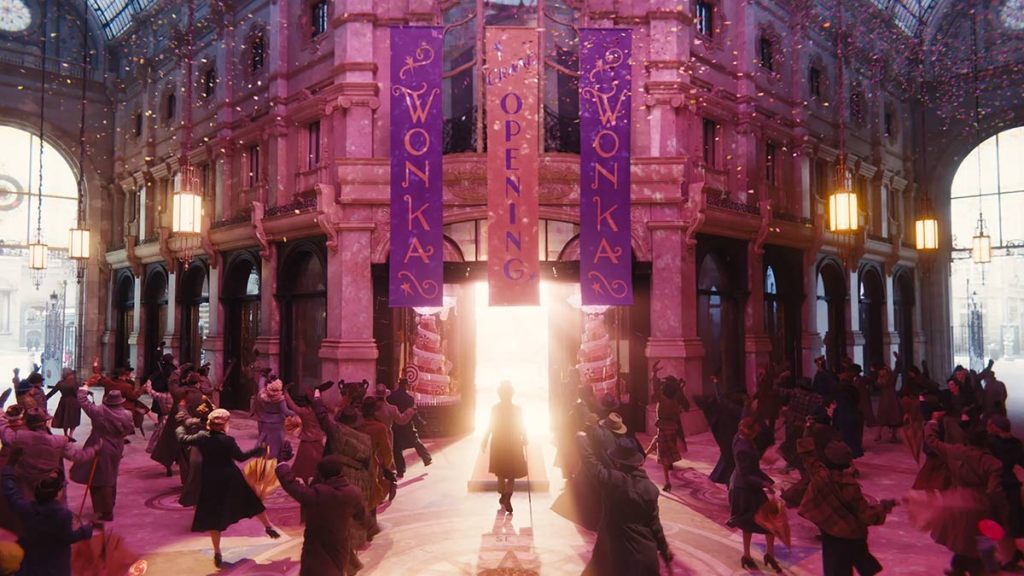
Why do we love chocolate?
The learning
Stepping back and reflecting on this, putting my work hat on (which is nowhere near as cool as Willy’s), there are several learnings that I’ve taken away. First and foremost is the global love of all thing’s chocolate. Chocolate products transcend geographical borders, languages and tastes (there’s a flavour for pretty much everyone).
Yet there’s nothing that we nutritionally need from it, it certainly cannot sustain us in it’s raw form. What we think of as chocolate is a man-made product, complete with all of it’s associations – whatever they may or may not be for you – it’s a story, told well, repeated and delivered with creativity and style.
Chocolate is right up there, on a pedestal for many people. It’s not alone, it hangs out with a handful of other products that people have incredible passions for. Many of them are food and drink related, but not all. This elite group of products are instantly recognised, no matter where you are on planet earth and whatever your socio-economic status, people just love them.
The magic club
There are a few other products that have achieved the lofty heights of chocolate within our societies, one of them is coffee, again available in a myriad of forms and flavours. Bread, once a basic commodity, is now a point of cultural education and something of a status symbol. Several drinks, both alcoholic and non-alcoholic would also be in this group, as would the motor car and from our most recent past, the iPod/music player and smart phone would almost certainly feature.

Why do we have such affection for these products?
It might sound obvious today to ask this question, but when these products were launched they were new, unheard of and untested. How did they achieve this status within our lives?
Whether this status is justified is another question – and one that’s being asked more and more, and I’ll tackle that the next section. These brands have got peoples attention and affection through a combination of things – often they ahead of the curve, early to market with something new, but the magic comes from how they connect their product to peoples personal values through branding.
There is no ‘perfect recipe’, every brand took their own route, listened to their customers and developed their connections, their reputation and demonstrated their values – some of which are imaginary (think Disney, they embrace imagination in some excellent brand communciation) because people have, and will always, want to escape.

It’s this magical allure (the promise of better) that we all succumb to at some level, admittedly we’re not all drawn to the same things, in the same volume , at the same time. My point is this, the magic, whether in abundance or not (it’s not always appropriate), comes from a business ‘listening’ to its customers. Existing customers are your sat nav, they will guide you, telling business what they want more of and what they don’t need. The magic club of products/services communicate ‘wants’ and ‘needs’ really well through their brand, delivering a clear, consistent message about what they have to offer.
Of course heritage is important, it can elevate your product/service immensely and answers so many of the questions people have about what you do. When that thing (product or service) has existed for a long time, society has shaped peoples thinking to almost automatically assume it’s good because it has existed for a certain amount of time. A judgement that we make in seconds, based on same ‘Established in 1911’ line for products that we may have never tried. It’s that powerful.
Brand image and the values connected with those campaigns, sponsorships, endorsements, insights, tips and other communications are the source of much of this sense of connection that we feel, or the lack of connect, the lack of love when it’s done badly.
When a business gets this right, people embrace the business and product, over time it becomes an extension of their self image and there are some fantastic journeys to be undertaken and places to explore on both sides.
Is this love and admiration justified?
I couldn’t publish this post without examining whether our loyalty and admiration is justified. As I have already said, these are man-made assumptions and connections about products and services based upon a learned understanding of human values.
Established brands have the heritage, but that can bring with it things that are not approved of today, scandal and what may initially appear to be a strength can become a heavy cross to bear. New brands don’t have the heritage, it’s more of a clean slate for them, which can be really useful, but they also have to work hard and communicate really well to extol their values and connect with people.

I think it’s really important to remember that this intimate connection is totally within our power to build and endorse or break and ignore. People will argue the pro’s and con’s of each, but brand loyalty is a very personal experience, and today brands have to be transparent about what they do (and don’t do) – where things come from, what they’re doing to tackle climate change, staff welfare, working conditions and much more. I think it’s right that we ask these questions, only then can we, each individually decide whether or not the reputation is justified.
At the end of the day, this is a relationship, and no human relationship is one-way traffic, why would a brand relationship be any different?

Lovemarks
I’m going to sign off with a book recommendation, “Lovemarks” is one of my favourite books, written by Kevin Roberts, it examines the brands we love and why we love them. As Kevin says,
“For great brands to survive, they must create Loyalty Beyond Reason in consumers. This is the only way to differentiate themselves from the millions of going-nowhere ‘blands’. The secret is the use of Mystery, Sensuality and Intimacy.
A passionate commitment to three powerful concepts creates Lovemarks.”
There’s much more to say about this fantastic book. It’s so good it warrants a post dedicated to it, so I’m adding a book review for “Lovemarks” to my to-do list and will post a blog about it here in the future. Thanks again for reading.
 Busy as AB