

This is a blog about focused on outbound brand messaging – the ways in which a brand can communicate with people and the wider community (technically it’s about segmentation of data, customer journey touch points and outreach channels, including media).
Let’s start by asking the obvious.
Why are these people being targeted?
Sounds obvious, but you’d be amazed how often this is overlooked or assumed. There are a lot of potential reasons, maybe it’s someone who you want to work with? Or perhaps have worked with previously and you want to update them? There can be many, many reasons.
It could be that you are completely new to these people, this is your first touch point and interaction with a group who you (the client) has identified as having a need that your business can help solve. You get the idea.
Before we go any further there are some important fundamentals (that need to have been established within the client’s business), that support any kind of outbound activity. If these corner stones are not in place, the outcome of a project or campaign will be compromised, reducing the impact for you, the client. Here’s a quick list that we will explore throughout this blog.
What’s the goal?
Clearly and concisely define what you’re looking to achieve.
Who’s the audience?
We all need to know (client and creative team) who we are targeting, what they are looking for from you (not necessarily what you want to give them) and what they do or don’t know about
the broader business offering. If we don’t have this information we are shooting in the dark.
Timing!
Is there a specific time-frame ? A need, event or feedback loop that you want to use?
Support
How do you keep the momentum of this activity going? What processes and services are in place to support what we are developing?
If you’ve got these elements covered great, if not don’t worry, these are just a few key questions, examples of the type of thing that we normally cover within our discovery sessions in much more detail.
What do we do?
What is it that we deliver as a brand partner and creator? In this blog I’m going to explore all the parts of a brand messaging project to an identified audience and to give that some real world, practical application, for this post we are sharing a mailing that we created for The Good Plant Company.
A brand messaging project like this, involves several sections or phases – here’s a quick overview…
Briefing – the opportunity to ask questions and learn about the business and the people it serves.
Research – understand the sector. What are the expectations, the reality and how that is communicated elsewhere, by the competition. Of course there’s also the segmentation of your customers (because they are not all the same).
Media – Discussion, exploration and an agreement with the client team about the appropriate media and methodology we use to communicate with these people.
Development of ideas and concepts – By this point we have found out quite a lot of things – the motivations, the pain points and the ways in which we can help solve them. This allows us to make informed decisions about the strongest way forward, working with the client team. It’s really important at this stage for everyone involved to keep an open mind, we are still exploring and creating, nothing is set in stone.
Design – The creation of brand messaging that is consistent, following the established design guides (visually and verbally with tone of voice). I know this sounds obvious, but you’d be amazed how many businesses are constantly re-inventing themselves, chasing a new shiny object, throwing all the previous work away. Great branding is the result of a high degree of consistency, whether you’re a small start-up or a large multi-national.
Execution and delivery – Working to the agreed project scope (created from the briefing session), complete with list of deliverable materials whilst adhering to an agreed deadline. This is where we take all the energy and excitement of the concepts and design, making them real, creating and producing brand assets and deliverables.
Feedback and next steps – It’s the last part of the project, but it’s also very important. It’s here that we can look back and reflect. It’s also an opportunity for us to look at our processes internally and check, refine and improve. It’s also where the continued learning and refinement of customer knowledge is further enhanced, deepening the understanding of the people we are aiming to connect with and ensuring that we (the client) deliver on those promises. It is here that it’s very important to make sure there are all the support pieces in place within the business to support and leverage the value of this activity.
Now lets’ look at each part of the project in more detail.
Brand messaging briefing
This is time spent with the client team to understand what the business does, understand it’s point of difference and the goal for this project. I know that this will all sound obvious, but believe me, there are many organisations, both big and small, where this hasn’t been thought about, (I called it chasing shiny objects earlier).
Without a briefing – either verbal (where we report back) or in the form of a written document, it makes our job much harder. Whilst we have a lot of branding experience, we are not mind readers. If this information is not shared with us, we can discover quite a lot ourselves, but we can only work with what we can see (the external image of the business), which might not be helpful in solving your brand messaging or other issues.
In this case, Andy spent a few hours with the team at GPC, listening and learning about what they wanted to achieve, what support systems they had in place to ensure this project was able to offer the maximum impact for the business. And most important, what media and methodology felt human.

Researching brand messaging
This is about investing time to understand the brand values that have been communicated previously. It’s an opportunity to sense check what has been said and what that means to the customers, supporters etc, etc. Things may have changed since the last communication was produced, the audience may have altered – remember nothing stands still.
Social channels are a great source of brand research. They really help us to get a sense of the brand values and understand more about the people who engage with the content, and those who don’t. Good brand management and managers will have this information to hand during the briefing, enabling us to move forward quickly, confident in the resources that we have available. It also means that we don’t have to make assumptions or guess and then check the validity of those assumptions and guesses.

Brand messaging media
A lot of what we produce is for digital platforms and experiences. There can be a tendency for clients to focus on nothing more than the digital channels. Personally I think there is still a very strong case for media away from screens and devices.
Strategically placed advertising can prove to be much more cost effective and produce a greater return because it’s not only seen within the digital space. As I said earlier, it’s important to keep an open mind throughout this process. When it comes to deciding about the media for your brand messaging you need to have a good understanding of your audience in order to select the right places to share your message.
I believe that the digital channels are beyond saturation, whilst the platforms themselves are free to use, if you want to get attention, you have to invest money in ad spend in order to connect with people.
Of course social media advertising is not for everyone, there can be a multitude of reasons for this. Increasingly clients are concerned about the ethics and lack of transparency that sits behind these pay and display models. Personally, I think that clients need to be clear about their audience and customer journey’s – as this knowledge will give you the confidence to know whether or not these channels are appropriate for you. The ethics around this are a question for the brand management team, whether your brand is comfortable endorsing these channels or not.
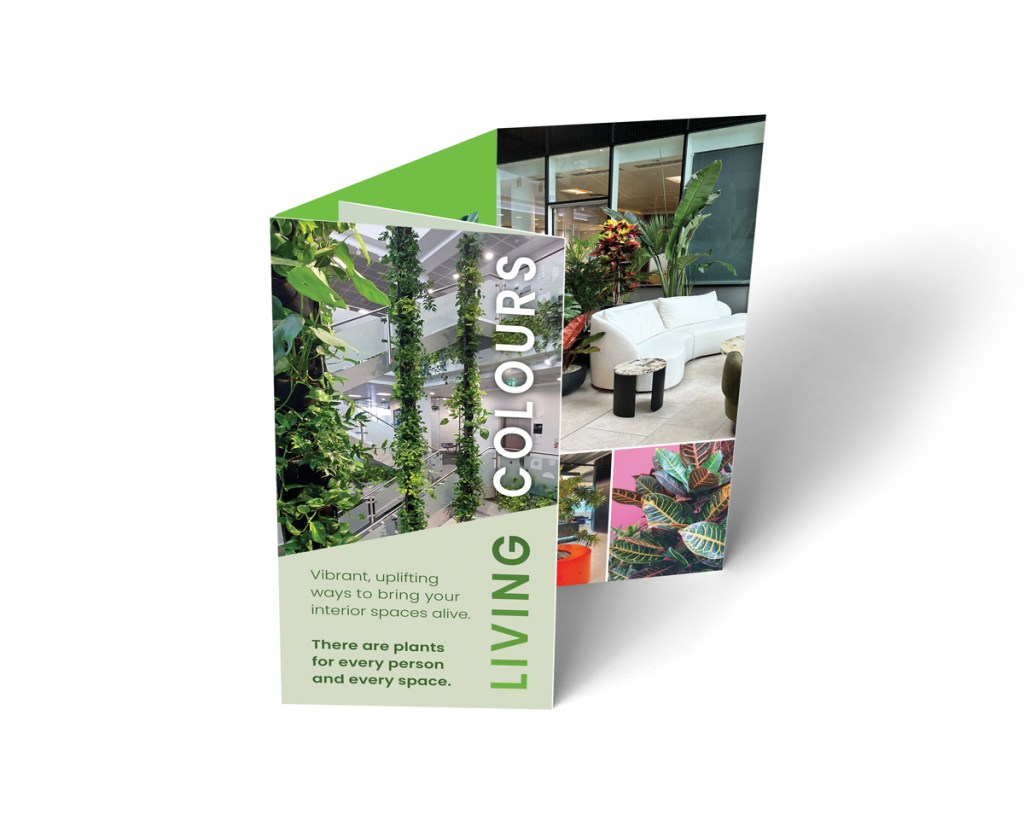
In this instance, the mailing we were developing for the Good Plant Company, everyone felt that a non-digital approach would have more impact. This was informed by the existing customer relationships and customer journey knowledge and insights. It was also influenced by budget. A physical mailing could be more targeted, with less waste and achieve significantly more cut-through (actually getting into the hands of the person the GPC wanted to talk with) rather than simply appearing within digital comms, in the hope that the content or the frequency would engage the right people. To put it plainly, we all agreed that a direct mail piece would be better remembered than a series of emailings and/or social media posts.
Crucially for me, a physical mailing is much more of an experience for the people receiving it. Sending someone a piece of post that is nicely designed, with informative content that is applicable to them, demonstrates much more care and attention than using the digital channels. Don’t get me wrong, I know you can be direct in these channels as well, but I also believe that the technology has made the distribution of information almost too easy (leading to people sending large volumes of content without paying any attention as to whom they are contacting, to check if this is appropriate or not). The result of this ‘lazy’ send to all approach affects us all. Whether it’s email, where the volumes can be extremely frequent, leading to them becoming an annoyance, or direct messaging within social channels, where the message is clearly not tailored to the person receiving it.
Sending a physical mailer also provides a genuine reason for a follow up call (it’s important to have a plan and customer journey in mind here). A printed mailer connects in ways that simply receiving and opening an email doesn’t for most people. Though I admit, the email allows you to take people straight into your website which can be really useful. In this instance, we knew it’s a much more likely the people we (the GPC) want to connect with, their targets, would appreciate a physical experience as the first touch point because they are also creating a physical, first-person experiences.
The follow up call is a very important part of this process, a timely call, a couple of days after you know the person received the mailer is significantly more likely to be accepted, starting the next phase of the customer journey, the opening conversation.

Ideas and concepts for brand messaging
With the planning work done – the research, audience understanding and the ‘need’ identified we can begin the process of exploring how this can be communicated using human values.
This often starts with word play and phraseology. Words and language create pictures in our minds, and the minds of others. Showing people a combination of the right images and words, at the right time, in the right place, can be incredibly powerful.
This work is also very much low tech – pen and paper – often accompanied by a Thesaurus. It’s all about the exploration of ideas and thoughts. Nothing is ruled out (yet) and as many channels as feel appropriate are explored.

Every project we deliver goes through this stage and I feel passionately that it is important not to move over to the technology too soon, as it will inevitably shape the direction of travel. Whether that’s through the limitations of the tech, the user or the software, or more likely these days, the AI models knowledge and assumptions of the subject. In the case of AI, it certainly has a role to play, but it is a tool that has to be used selectively as we all know large language models are not totally accurate, they have a lot of built-in bias and most important, all AI content is a regurgitation of what it has ‘learnt’ about the request. A kind of safe average if you like, of everything that’s come before.
Great branding, marketing and advertising doesn’t follow what’s come before, it challenges the status quo, does things differently, creates something unique and that uniqueness connects with people. The AI tools can be helpful at various stages of these projects, but right here, and now, we need fresh, original thinking and that comes from people.
Brand messaging design
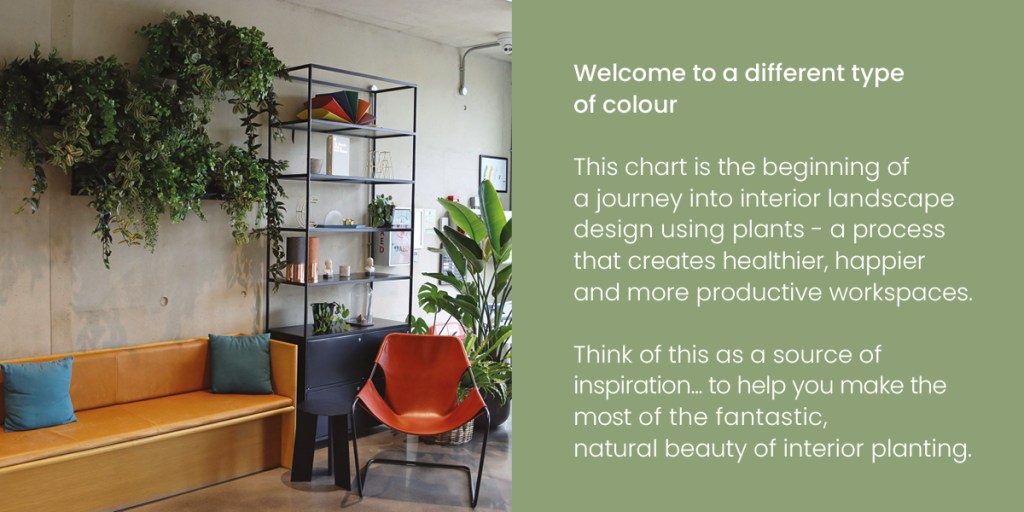
The creation of brand messaging needs to be consistent, following an established, and agreed set of design guides and principles. I’ve already mentioned the on-going temptation of brands to chase new and shiny. Consistently delivering, showing up in the same places, with the same colours, language etc, etc is how great brands are established in the minds of people – it’s about the familiarity that comes from understanding what is on offer and whether that is applicable to me.
I’d like to share a story about a series of ads I designed for an automotive brand following their brand guidelines. The copy writer I was working with at the time said, “I don’t envy you, whatever you do visually, they’ll have seen it all before. It’s a bit of a straight-jacket this one.” However I didn’t see it like that. Sure there were challenges, some of my personal preferences would have used other colours or fonts, but that wasn’t an option. However I remained open to where this could go visually and how effective it could be.
Together we developed a series of ads for various models and services. I went to present them to the marketing team and they were really well received, which felt great. Then the following day I got a call from the UK marketing director – one of the people that I’d presented to the day before, “We love these ads…in fact everybody does, not just here at UK HQ but at the global head-quarters. We want to circulate them, to show best practice and what can be done following the brand guidelines.”

This felt amazing, whilst I could see where my copy-writing friend was coming from, and there is no doubt that his copy certainly helped win the hearts and minds of the comms team, it also showed that following brand guides doesn’t mean there’s no opportunity to be creative. After further conversations with the team (client side) it became apparent that it was the way in which I’d used the design guides that they liked, keeping the consistency but bringing freshness with it, for me that felt like the biggest achievement.
Everything I had presented followed the ‘rules’ and yet the way the ads looked, and how I’d brought words and images together within the space had surprised everyone across the business. It was corporate, it totally adhered to their rule-book but it was also fresh and new, I’d brought fresh ideas and perspectives in, using the brand guides to my advantage rather than seeing them as a limitation. I believe this a central part of what we designers do, we look at things differently and bring ideas to life, a brand guideline doesn’t stop that happening, it simply informs some of the decisions about how it should to be presented.
It’s also in this section of a brand messaging project that we need ‘sign off’. The official documentation of an agreement about what we are producing – the exact message, colour, images etc. Inevitably there will be some refining to be done before sign-off is achieved. It’s a rare thing for a concept to be presented and the client not want to refine some element or experiment with an aspect of the execution. Once this work has been carried out and the key stakeholders are happy that all of their criteria have been met, then we need their written confirmation to move into the next part of the project.
Brand messaging delivery
This section of the brand messaging project is all about execution and consistency. We have already agreed what we’re doing, how it will look, what it will say and the mechanisms around that for people to interact with what you have to offer. Some people will say that the creativity has finished and the production begins, but I don’t believe that the creativity has stopped.
Adapting messaging and visuals to different formats and spaces requires a lot of creativity. It also requires an eye for detail, because there needs to be very high levels of visual (and verbal) consistency across everything. And when I say everything, that can be as broad reaching as getting the right colour on all manner of things, people and places. Using many different techniques and methods, all under a watchful eye for detail and consistency.
And of course, all of this comes together in a handover. This often takes the form of digital and physical assets, co-ordinating delivery to sites, creating a central point of truth and lots of speaking to key stakeholders to ensure that they have what they need, when they need it.
Feedback and next steps
It is always interesting to hear feedback after a project or campaign has been delivered. There are interesting learning points, both our side in terms of our processes, but also from the clients customers – what they have taken from the message.
The work we deliver isn’t produced within a vacuum, it’s open to interpretation and outside influence. Understanding what that looks like, mitigating the impact of it and most importantly, learning from it, ensures that we refine and improve with every step that we take working with our customers.
All feedback is shared across the team because I believe it’s really important that everyone involved gets recognition for their contribution to the overall success. And if there has been an issue on our side, it’s important that we address it, learn from it and move on. Keeping a healthy and vibrant team energised and ready to create a buzz on behalf of our customers is central to everything that we do.
What to know more?
Book a discovery call with Andy here.
 Busy as AB